
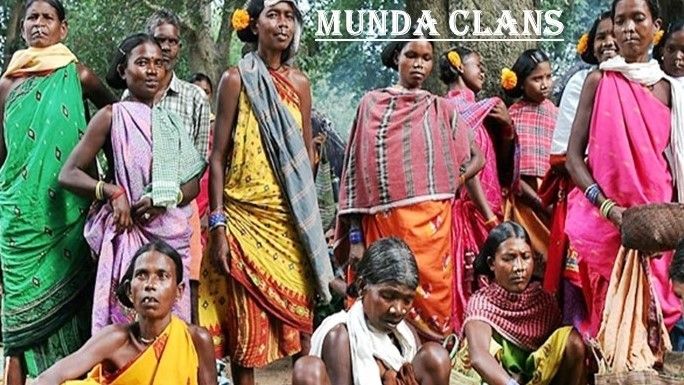
The Munda tribe, one of India’s largest tribal communities, is celebrated for its vibrant traditions and enduring bond with nature. Rooted in the Chota Nagpur Plateau of Jharkhand, with extensions into Madhya Pradesh, West Bengal, and Odisha, the Mundas are believed to have originated from South East Asia. Over centuries, they diversified into sub-groups such as Patar, Mahali, and Kampat Munda. A distinctive feature of their social fabric is the existence of nearly 106 clans, each bearing unique names and meanings that mirror their environment, livelihood, and spiritual beliefs.
Origins and Importance of Munda Clans
Clans within the Munda tribe are more than identifiers; they represent lineage, cultural continuity, and ecological wisdom. Each clan name is tied to an object, animal, plant, or practice, symbolizing the tribe’s reliance on agriculture, forests, and hunting. These names also serve as reminders of taboos and traditions that shape community life.
For instance, the clan Babasignifies paddy, underscoring The Centrality of Rice Cultivation. Balemucu, meaning fish net, reflects fishing as a livelihood, while Bengra, meaning horse, recalls the practice of consuming horse flesh. Interestingly, Bhut carries dual meanings lentil or spirit illustrating the blend of material and mystical associations in Munda culture.
Clans with Clear Meanings
Many clan names are straightforward and tied to tangible elements of daily life:
- Barjo — A fruit, symbolizing sustenance.
- Bulung — Salt, an essential commodity.
- Dungdung — A slender fish, reflecting dietary habits.
- Horo — A land tortoise, linked to fauna.
- Jojo — Tamarind tree, a forest resource.
- Kaua — Crow, a familiar bird.
- Putam — Dove, representing peace.
- Teni/Tao — Wild dogs, associated with hunting.
These names reveal how the Mundas drew inspiration from their surroundings, embedding ecological knowledge into their social structures.
Clans with Doubtful Meanings
Not all clan names have retained clear interpretations. Names such as Bading, Bur, Campia, Duduria, and Nagruar carry uncertain or lost meanings. This ambiguity may stem from linguistic changes, cultural shifts, or the fading of oral traditions over centuries. Such doubtful meanings highlight the evolving nature of tribal societies, where some practices vanish while others adapt to new contexts.
Social and Cultural Role of Clans
Clans play a crucial role in regulating marriage alliances, social interactions, and community responsibilities. Traditionally, members of the same clan are prohibited from marrying each other, ensuring diversity and strengthening social ties. Clan names also act as cultural markers, preserving oral histories and collective memory.
Subdivisions of clans, such as Ramrabodra (a Bodra linked to the Ramra clan) or Sandipurti(a Purti clan connected with Sandi), demonstrate how clans evolve and branch out, reflecting migration, settlement, and adaptation.
Symbolism and Identity
The Symbolic Nature of Clan names reflects the Munda worldview, where every element of nature trees, birds, animals, crops holds significance. This interconnectedness between humans and the environment is central to tribal identity. For instance, Sanga, meaning sweet potato, and Sarukadpurti, linked to the taro plant, highlight the importance of tubers in their diet. Similarly, Surin, believed to mean a red paradise flycatcher, reflects admiration for vibrant birdlife.
Conclusion
The Munda clans are more than social divisions; they are cultural repositories that preserve ecological wisdom, spiritual beliefs, and community practices. While some meanings remain vivid, others have become obscure, reminding us of the fragility of oral traditions. Together, these clans form a mosaic of tribal identity, offering insights into how the Mundas perceive their world and sustain their heritage.