
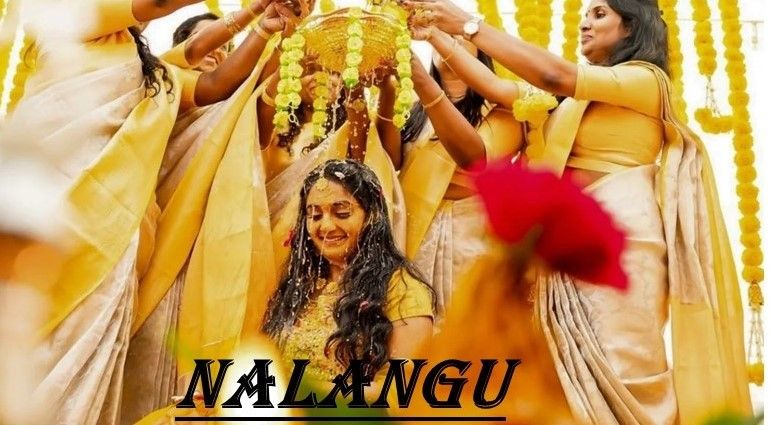
Marriage ceremonies in Hindu tradition are renowned for their grandeur, symbolism, and cultural richness. Among the many rituals that add depth and delight to these occasions, Nalangu stands out as a unique blend of sacred symbolism and playful interaction. Performed during the evenings of multi-day weddings, Nalangu is both meaningful and entertaining, helping the couple and families bond in joy.
The Setting of Nalangu
Traditionally, Hindu marriages are arranged and overseen by the bride’s father, with the groom’s family honored as distinguished guests. Each morning, the bride’s family presents cakes in new vessels to the groom’s quarters, symbolizing generosity and goodwill. In return, the groom’s relatives perform Sambandi Nalangu, a reciprocal gesture that strengthens Ties Between the Two Families.
As evening arrives, the bride and groom themselves take part in Nalangu. Sitting opposite each other on mats in the marriage pandal, surrounded by relatives and guests, they engage in rituals that combine devotion, playfulness, and cultural meaning.
Rituals of Nalangu
- Turmeric paste: The groom stretches out his legs, and the bride rubs turmeric paste over them. She then extends her feet, and he repeats the process. Turmeric, valued for its antiseptic and auspicious qualities, symbolizes purity and protection.
- Colored rice scattering: The bride waves yellow rice around the groom’s head and scatters it away, a gesture repeated three times by both. This act is believed to ward off evil influences and invite prosperity.
- Appalam ritual: A crisp preparation made from black gram, called appalam, is waved and broken over each other’s heads. This symbolizes abundance and appeases unseen forces.
- Musical play: The couple engages in ball play while women sing traditional songs, accompanied by pipers. This adds a festive, lively atmosphere to the ritual.
- Haratti: A mixture of turmeric and slaked lime is waved before the couple to cast off the evil eye. Afterwards, pan supari, sandal, fruits, and flowers are distributed among the women, reinforcing communal joy.
Symbolism and Purpose
The deeper meaning of Nalangu lies in its ability to bring the newlyweds closer. Marriage often begins with shyness and unfamiliarity, and these playful acts help the couple ease into companionship. The use of sandal paste, saffron, flowers, and rice reflects auspiciousness, while communal singing and gift distribution highlight collective celebration.
The scattering of rice and breaking of appalam may also be interpreted as offerings to invisible beings, ensuring blessings and prosperity. At the same time, the ritual entertains guests, transforming the wedding into a joyous gathering rather than A Purely Solemn Occasion.
Conclusion
Nalangu is more than a ritual it is a cultural performance that blends symbolism, play, and community. It strengthens bonds between families, helps the couple overcome initial shyness, and invokes blessings for a prosperous married life. By combining sacred elements with festive joy, Nalangu exemplifies the richness of Hindu wedding traditions and the importance of shared celebration in Indian culture.