
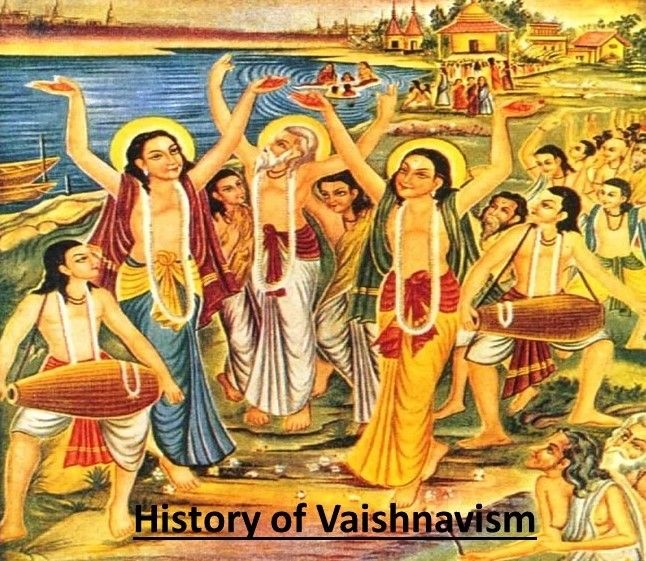
Vaishnavism, one of the most ancient and living religious traditions of India, traces its origins back to the Vedic age. At its heart, Vaishnavism venerates Lord Vishnu as the Supreme Reality the preserver and protector of the universe. It is a monotheistic system that emphasizes exclusive devotion to Vishnu as the path to attaining the highest spiritual goal. Over centuries, this tradition has blossomed into a rich blend of philosophy, ritual, and devotional practice, profoundly shaping Indian spirituality and culture.
Foundations in the Vedic Age
The earliest references to Vaishnavism are Found in The Rig Veda, the oldest religious text in the world. Several hymns in the Rig Veda, later echoed in the Yajur Veda and Sama Veda, describe Vishnu as the supreme personal deity. He is portrayed as the creator, sustainer, and savior of humanity, embodying cosmic order and divine compassion. These hymns established the foundation for the belief that Vishnu is the ultimate reality, transcending all other deities.
Tradition holds that Vishnu imparted the teachings of Vaishnavism to Goddess Lakshmi, who then passed them on to Visvaksena, the divine messenger. This transmission underscores the sacred continuity of Vaishnava philosophy, linking divine wisdom directly to human practice.
Philosophical Underpinnings
The doctrines of Vaishnavism are deeply rooted in the Upanishads, which emphasize the unity of the soul (Atman) with the Supreme (Brahman). Vaishnavism interprets this relationship through the lens of bhakti (devotion), teaching that liberation (moksha) is attained through loving surrender to Vishnu.
The Bhagavad Gita, a central text of Hindu philosophy, reinforces this idea. In his incarnation as Krishna, Vishnu is presented as the divine teacher who guides humanity toward righteousness, devotion, and ultimate liberation.
Growth Through the Puranic Age
The Puranas played a vital role in popularizing Vaishnavism. Texts such as the Vishnu Purana, Bhagavata Purana, and Padma Puranaelaborated on the stories, incarnations, and attributes of Vishnu. These narratives introduced the concept of the Dashavatara, the ten incarnations of Vishnu—including Rama and Krishna—who descend to restore dharma and protect humanity. Through these epics and stories, Vaishnavism became accessible to the masses, blending philosophy with devotion and storytelling.
The Bhakti Movement and Vaishnavism
From the early centuries CE, Vaishnavism flourished through the Bhakti movement, which emphasized personal devotion over ritualistic practices. The Alvars, saint-poets of South India, composed thousands of hymns in Tamil celebrating Vishnu’s glory and compassion. Their works, compiled into the Naalayira Divya Prabandham, became the Tamil Vedam, revered alongside the Sanskrit Vedas. This devotional literature democratized spirituality, allowing people of all backgrounds to experience divine love.
In North India, saints such as Surdas, Tulsidas, and Mirabai enriched Vaishnava traditions with their poetry and songs dedicated to Krishna and Rama. Their contributions ensured that Vaishnavism spread across regions, languages, and communities, becoming a truly Pan-Indian spiritual force.
Ethical and Spiritual Discipline
Vaishnavism emphasizes a disciplined life rooted in ethics, compassion, and devotion. Followers are encouraged to practice humility, truthfulness, and service, dedicating their lives to Vishnu. The tradition teaches that salvation is not achieved through asceticism alone but through heartfelt devotion and surrender to God.
Conclusion
The History of Vaishnavism reflects a remarkable journey from the hymns of the Vedas to the devotional songs of saints, from philosophical treatises to epic narratives. It harmonizes faith, philosophy, and devotion, offering a path of spiritual fulfillment through love for Vishnu. As one of India’s most enduring religious systems, Vaishnavism continues to inspire millions, embodying the timeless quest for divine connection and ultimate liberation.