
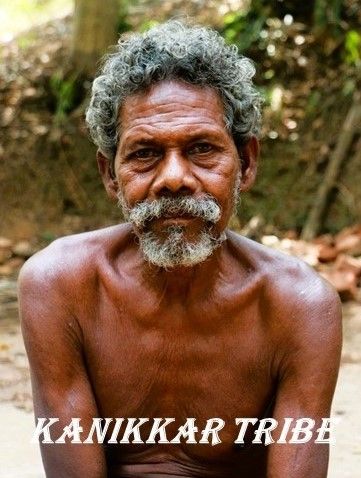
Kerala, celebrated for its cultural diversity, is home to numerous tribal communities, each with distinct traditions and lifestyles. Among them, the Kanikkar tribe stands out as one of the largest and most significant groups. According to the Census of India (1981), their population was around fourteen thousand, with settlements concentrated in the forested regions of Thiruvananthapuram and Kollam. The Kanikkars embody a remarkable blend of heritage, ecological wisdom, and cultural resilience.
Origins and Identity
The origins of the Kanikkar tribe are steeped in folklore and historical narratives. One belief traces their lineage to Aryans who migrated southward, with The Term Kanikkar meaning Landlords. These landlords were said to be descendants of kings who offered tributes to the Attingal royal family. Another story connects the tribe’s name to the sage Agasthya, linking them to the Malayarayan tradition. Physically, Kanikkars are described as having dark complexions, circular heads, curled hair, and broad noses—features that distinguish them within Kerala’s tribal mosaic.
Settlements and Social Organization
Kanikkar colonies, known as Kani, consist of huts built from bamboo and tree leaves. Each settlement is overseen by an elder called Kani Mooppan or Muttukani, who plays a central role in guiding community decisions and maintaining order. This leadership structure reflects the tribe’s emphasis on collective living and respect for elders.
Occupations and Livelihood
Agriculture forms the backbone of Kanikkar livelihood, with cultivation being their primary occupation. Some members also engage in fishing and hunting, though these practices have declined over time. The tribe is particularly noted for its expertise in herbal medicine. They use forest plants to treat wounds and illnesses, believing these remedies possess magical powers. While they once chewed medicinal leaves for healing, this practice has largely faded in modern times.
Food and Lifestyle
Kanikkar cuisine is simple yet nourishing. Forest dwellers consume root vegetables, wild honey, and occasionally meat. Alcohol consumption, smoking, and chewing betel leaves are common habits. Their lifestyle reflects a deep connection to the forest, where sustenance and culture intertwine.
Religion and Rituals
Spiritual practices among the Kanikkars revolve around nature and local deities. Sacrifices, such as offering chickens under sacred trees by riverbanks, are part of their rituals. They also celebrate seasonal festivals and ceremonies that reinforce their bond with the environment.
Language, Music, and Dance
The Kanikkars have their own ancient mother tongue, though many also speak Malayalam and Tamil dialects. Their cultural heritage is enriched by music and dance. Songs called Chattu are composed to ward off evil spirits and disease outbreaks, accompanied by the Kokkara, a traditional musical instrument. Dance forms often involve rhythmic hand clapping and heel pressing, showcasing their vibrant artistic traditions.
Marriage and Death Customs
Marriage rituals traditionally involved unique practices where the bride, with closed eyes, was brought before the groom and tied with a black thread as a symbol of wedlock. Modern influences have led many Kanikkars to adopt Hindu marriage customs. Death ceremonies are equally elaborate, lasting up to twenty-one days, with fasting, porridge feasts, and ceremonial songs marking the mourning period.
Cultural Significance
The Kanikkar tribe’s customs, art forms, and medicinal knowledge make them a vital part of Kerala’s cultural landscape. Their dances, ornaments made of stone pearls, and weapons like bows and arrows highlight their ethnic identity. Despite pressures from modernization, many Kanikkars Continue to Preserve their Traditions, offering valuable insights into sustainable living and cultural resilience.
Conclusion
The Kanikkar tribe represents a living heritage of Kerala, blending ancient customs with ecological wisdom. Their agricultural practices, herbal medicine, music, and rituals reflect a community deeply rooted in nature. As modernization advances, it is essential to support and celebrate the Kanikkars, ensuring their traditions remain a vibrant part of India’s cultural mosaic.