
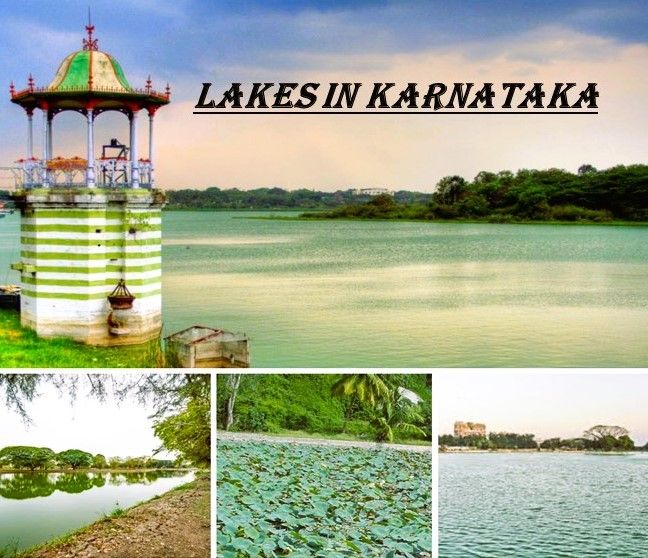
Karnataka, a state in southwestern India, is a land of diverse landscapes rivers, forests, waterfalls, beaches, and hill ranges. Among these natural treasures, its lakes stand out as vital ecological zones and cultural landmarks. These water bodies not only sustain agriculture and biodiversity but also enrich tourism and urban life. Broadly Karnataka Lakes can be grouped into those in Bengaluru and Mysuru, with many more scattered across the state’s rural and scenic regions.
Lakes in Bengaluru
Bengaluru, the capital city, is historically known for its numerous man-made lakes. Constructed centuries ago as part of rainwater harvesting systems, they compensated for the absence of a major river nearby. Initially serving irrigation and drinking water needs, these lakes have gradually evolved into recreational hubs, though many now face pollution and encroachment challenges.
Prominent Lakes in Bengaluru
- Agara Lake: An 80-acre waterbody with walking and cycling tracks, part of the Varthur lake series.
- Yediyur Lake: Dating back 1,400 years to the Hoysala period, popular among joggers and birdwatchers.
- Arekere Lake: A century-old reservoir with a 3 km perimeter.
- Bellandur Lake: The largest in Bengaluru, covering 148 sq km, though heavily polluted.
- Allalasandra Lake: Known for birdwatching and recreational facilities like an open-air gym.
- Hebbal Lake: Built in 1537 by Kempe Gowda, now threatened by sewage inflow.
- Hesaraghatta Lake: Constructed in 1894 across the Arkavathy River to supply drinking water.
- Jakkur Lake: Spanning 35 hectares, featuring islands and supporting rich biodiversity.
- Madiwala Lake: Once potable, now polluted by industrial waste, covering 114 hectares.
- Ulsoor Lake: Spread over 50 hectares with several islands, located in eastern Bengaluru.
- Yele Mallappa Shetty Lake: A 490-acre hotspot for migratory birds.
- Kaikondrahalli Lake: Historically important for agriculture, spanning 48 acres.
- Sankey Lake: Built in 1882 to prevent water shortages, covering 15 hectares.
Despite urban pressures, these lakes remain crucial for ecology and recreation. Civic bodies and citizen groups are actively working to restore them through conservation initiatives.
Lakes in Mysuru
Mysuru, another cultural hub of Karnataka, hosts lakes that enhance its charm and biodiversity.
- Kukkarahalli Lake: Located in the city’s heart, it is a favorite spot for morning walks and birdwatching.
- Karanji Lake: Famous for its butterfly park and aviary, it is a biodiversity hotspot attracting tourists and nature lovers.
These lakes not only serve ecological functions but also contribute to Mysuru’s cultural and tourism appeal.
Other Lakes Across Karnataka
Beyond Bengaluru and Mysuru, Karnataka is dotted with scenic lakes that sustain local communities and ecosystems.
- Hirekolale Lake (Chikmagalur): Nestled amidst coffee plantations, offering picturesque views.
- Ankasamudra Lake (Bellary): A haven for birdwatchers and an important ecological site.
Though less famous, these lakes play vital roles in agriculture, water conservation, and biodiversity preservation.
Conclusion
The lakes of Karnataka, whether ancient reservoirs or modern recreational spaces, are integral to The State Ecological Balance and Cultural Heritage. While many face threats from pollution and encroachment, ongoing conservation efforts aim to restore their vitality. These water bodies sustain biodiversity, support agriculture, and enrich tourism, making Karnataka a truly diverse and captivating destination.