
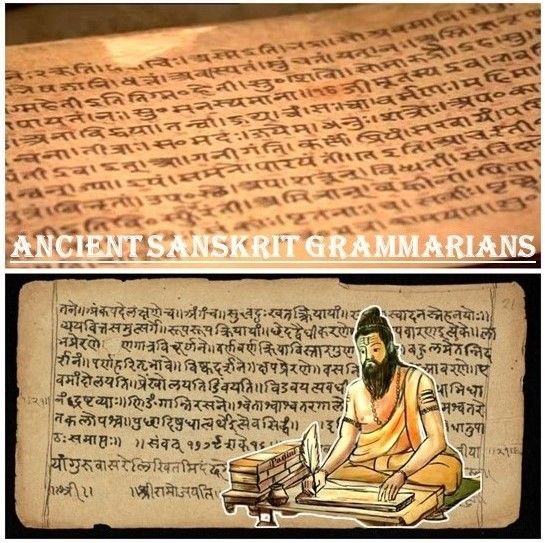
Patanjali, also known by names such as Gonardiya and Gonikaputra, is one of the most revered figures in ancient Indian intellectual and spiritual traditions. Historical references suggest that the name may refer to more than one scholar or mystic, but in The Realm of Sanskrit Grammar, Patanjali’s contribution is singular and monumental. While he is also credited with the Yoga Sutras, a foundational text of yoga philosophy, his most celebrated grammatical work is the Mahabhasya, an authoritative commentary on Panini’s Ashtadhyayi.
The Mahabhasya: A Monumental Commentary
Firmly dated to the 2nd century BCE, the Mahabhasyastands as one of the greatest achievements in linguistic scholarship. It provides critical explanations, clarifications, and expansions on Panini’s grammatical framework. Unlike a dry technical manual, the Mahabhasya is lively and engaging. Patanjali’s style is simple yet animated, enriched with proverbial expressions and references to everyday life. This not only makes the text accessible but also offers valuable glimpses into the social and cultural conditions of his time.
The Mahabhasya is remarkable for its method of discussion. It presents arguments, counterarguments, and resolutions in a dynamic manner, reflecting the intellectual debates of the era. By doing so, Patanjali transformed grammar into a living discipline, one that was deeply connected to the spoken language of his day.
Patañjali’s Approach to Grammar
Patanjali’s philosophy of grammar was rooted in practicality. He insisted on the absurdity of learning words that were not in use, emphasizing that grammar should reflect living speech rather than preserve obsolete forms. This perspective ensured that Sanskrit grammar remained relevant and adaptable, rather than rigid and archaic.
He viewed Panini’s system not as a static set of rules but as a framework to be interpreted in the light of contemporary usage. In this way, Patanjali upheld the authority of Panini while simultaneously breathing new life into his work. His commentary thus became the bridge between tradition and practice, ensuring the continuity of Sanskrit as a vibrant language.
Closing the Line of Great Grammarians
Patanjali is often described as closing the line of great Sanskrit grammarians. His Mahabhasya consolidated the grammatical tradition, drawing upon the works of Panini and Katyayana while offering his own insights. By doing so, he established a definitive foundation for the study of Sanskrit grammar, one that would dominate Indian education for centuries.
The Mahabhasya also served as a cornerstone of the Vyakaranatradition, one of the six Vedangasor limbs of the Vedas. For over a millennium, it was studied by scholars, priests, and students, shaping the intellectual landscape of India.
Legacy and Influence
Patanjali’s dual identity as both a grammarian and a philosopher highlights the breadth of his intellectual contributions. While the Yoga Sutras influenced spiritual practice, the Mahabhasya shaped linguistic thought. Together, these works reflect his holistic vision of knowledge, where language and philosophy were intertwined.
His insistence on grounding grammar in living speech ensured that Sanskrit remained a dynamic medium of expression. By combining rigorous analysis with cultural sensitivity, Patanjali safeguarded the vitality of the language while honoring its sacred heritage.
Conclusion
Patanjali’s role as a Sanskrit grammarian is unparalleled. Through the Mahabhasya, he not only Clarified and Expanded Panini System but also infused grammar with life and relevance. His work reflects a balance of tradition and innovation, making him the last and perhaps the greatest of the classical grammarians. In the grand tapestry of India’s intellectual history, Patanjali shines as a scholar who preserved the purity of Sanskrit while ensuring its adaptability to the speech of his time.