
The Tamil month of Chittrai (April–May)heralds the arrival of one of the most significant cultural celebrations in Tamil Nadu Varushapirappu, the Tamil New Year. Falling on April 13 or 14 each year according to the Gregorian calendar, this day is greeted with the warm phrase “Puthandu Vazthukal” meaning Happy New Year. Also known as Varusha Pirappuv, the festival is steeped in mythology, as it is believed to mark the moment when Lord Brahma began The Creation of the Universe.
Rituals and Traditions
Kanni viewing
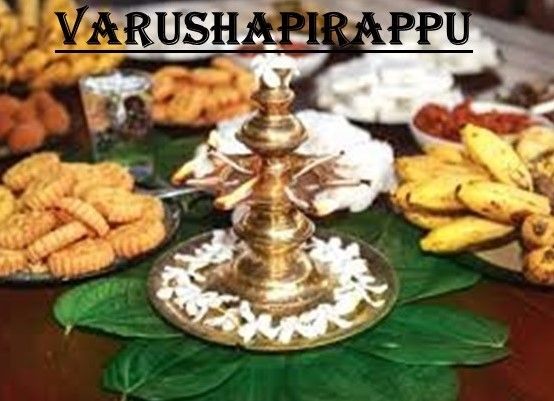
One of the most cherished customs is Kanni, the ritual of viewing auspicious items at dawn. Families arrange gold and silver ornaments, betel leaves, nuts, fruits, flowers, rice, and coconuts. Witnessing these items first thing in the morning is thought to bring prosperity and good fortune.
Kolam decorations
House entrances are decorated with vibrant Kolam (rangoli), symbolizing joy and positivity. Families light the Kuthu villakku (traditional lamp) beside the Niraikudam, a brass vessel filled with water, adorned with mango leaves and topped with a coconut, representing abundance and continuity.
Temple visits
After bathing and wearing new clothes, devotees visit temples to pray for success and happiness. The Panchangam (almanac) is read, offering guidance for the year ahead.
Culinary Significance
Maanga Pachadi
The culinary centerpiece of Varushapirappu is Maanga Pachadi, a dish made with raw mangoes, jaggery, and neem flowers. Its combination of sweet, sour, salty, and bitter flavors reflects the varied experiences of life — joy, sorrow, success, and challenges. It serves as a symbolic reminder that life is a blend of emotions and events.
Alongside this, families prepare traditional dishes with pulses and cereals, sharing them with relatives and neighbors to strengthen bonds of community and kinship.
Festive Celebrations
Car Festival
At Tiruvadamarudur near Kumbakonam, a grand car festival adds grandeur to the New Year celebrations, drawing large crowds and vibrant processions.
Chitthirai Festival
In some regions, the Chitthirai festival coincides with Varushapirappu. It commemorates the divine marriage of Goddess Meenakshi and Lord Sundareswarar, celebrated with devotion and joy.
Family and Social Customs
Shopping for new clothes
Preparations begin weeks in advance, with families purchasing new clothes and cleaning or repainting their homes. Mothers and grandmothers prepare sweets and savories, anticipating visits from relatives and friends.
Kaivialum blessings
Children eagerly await gifts of money from elders, known as Kaivialum, symbolizing prosperity and blessings for the year ahead.
The day is marked by family prayers, exchange of gifts, and heartfelt wishes for health, wealth, and happiness.
Cultural Essence
Varushapirappu is more than just a festival; it is A Celebration of Tamil Identity, culture, and tradition. It seamlessly blends mythology, rituals, food, and family bonding into a vibrant occasion. The festival teaches that life is a journey of varied experiences, and embracing them with positivity ensures prosperity and harmony.